Our pick
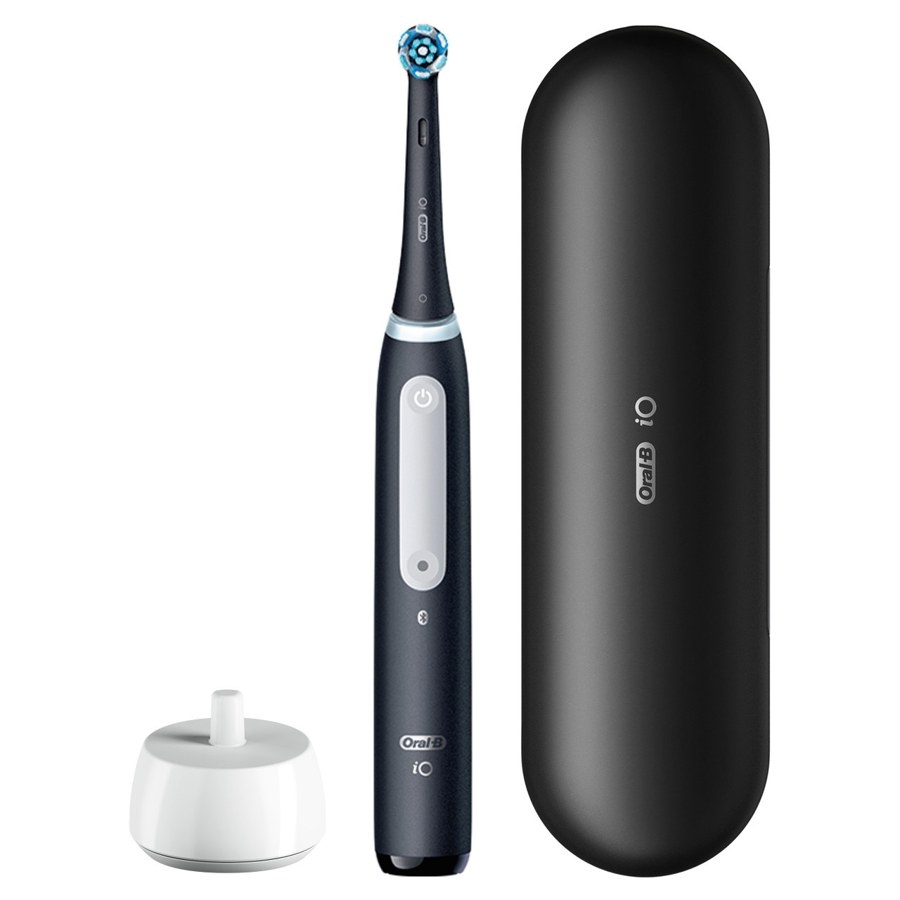
Oral-B iO Series 3 Rechargeable Electric Toothbrush, Black
Visible pressure sensor2-minute timer3 cleaning modesRound brush head
Check price on AmazonPrice and delivery are shown on Amazon.
Buyer question · Electric toothbrushes
As an Amazon Associate I earn from qualifying purchases.
Our pick
Price and delivery are shown on Amazon.
Short answer
On plaque and gum inflammation, the evidence leans their way. A 2014 Cochrane review (Yaacob et al.) of 56 studies concluded that powered toothbrushes reduce plaque and gingivitis more than manual brushing, though how much that matters clinically remains unclear. The ADA says both kinds remove plaque. If you go electric, the Oral-B iO Series 3 adds a visible pressure sensor and a 2-minute timer, per Oral-B.
Cochrane's review by Yaacob et al. included 56 studies with 5,068 participants. The authors concluded: "Powered toothbrushes reduce plaque and gingivitis more than manual toothbrushing in the short and long term. The clinical importance of these findings remains unclear." Cochrane rated the evidence for plaque and gingivitis as moderate quality.
The American Dental Association says: "Both manual and powered toothbrushes are effective at removing plaque." It adds that people with dexterity problems, children, or people with dental appliances like braces may find a powered toothbrush easier to use, and that powered brushes can be more expensive.
Cochrane found the largest body of evidence for rotation oscillation brushes (27 trials). Oral-B's iO uses a round brush head. The review did not test the iO itself.
Oral-B says the iO Series 3's visible pressure sensor indicates optimal brushing pressure and alerts you if you're brushing too hard, and its built-in 2-minute timer with quadrant pacing guides you through each area of your mouth.
Steps from Oral-B's own product page and FAQ for the iO Series 3.
Oral-B's US site has no page under the Limited Deep Clean name. The handle facts here come from Oral-B's page for the iO Series 3 Clean & Protect in Matte Black, which uses the same iO Series 3 handle; the photo is of that set. Oral-B doesn't state the battery's run time in days on that page. The evidence on electric versus manual comes from Cochrane and the ADA.
From the maker
Do not use on children under age 3.
Replace brush head every 3 months or sooner if brush head becomes worn.
Cochrane's 2014 review (Yaacob et al.) concluded that powered toothbrushes reduce plaque and gingivitis more than manual toothbrushing, and that the clinical importance of this remains unclear.
The ADA says both manual and powered toothbrushes are effective at removing plaque.
The ADA says people with dexterity problems, children, or people with dental appliances like braces may find a powered toothbrush easier to use.
Oral-B lists a visible pressure sensor, a built-in 2-minute timer with quadrant pacing, and three modes: Daily Clean, Whiten and Sensitive.
No. Oral-B says the iO magnetic charger is not compatible with older Oral-B Pro or Genius handles.
Cochrane's 2014 review found powered brushes reduce plaque and gingivitis more than manual ones, and the ADA says both remove plaque. If you want to switch, the Oral-B iO Series 3 tells you when you press too hard and how long to brush.
Check price on AmazonSmoov Discovery wrote this page from Oral-B's own product information, plus the Cochrane review and the American Dental Association's guidance listed below. We did not test the product ourselves. Nothing here comes from Amazon.
Photos: Oral-B (oralb.com).
As an Amazon Associate, Smoov Discovery earns a commission on qualifying purchases made through the links on this page. Amazon pays the commission; it does not change the price you pay.
This page is published by Smoov Discovery and is promotional content for the Amazon listing it links to.